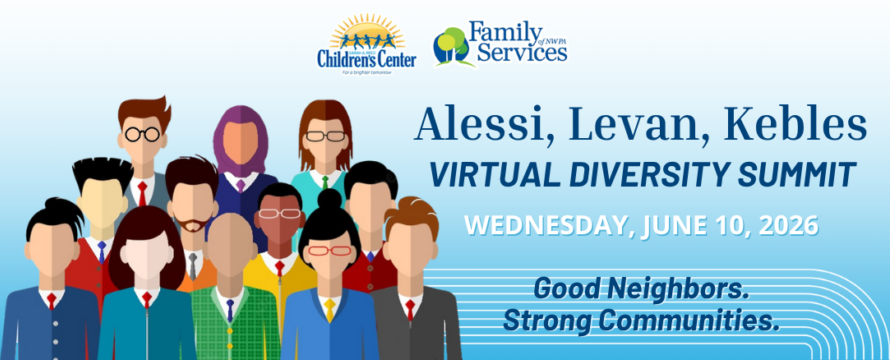
Our Diversity Summit offers relevant diversity training that improves mental health service delivery and educational services. This free event is for providers and parents alike.
This year's Summit theme is "Good Neighbors. Strong Communities." This slogan reminds individuals and organizations of the social responsibility we have toward each other, regardless of any differences we might have. When we resolve to see and serve each other, amazing things happen. Our organizations become places of healing. This healing extends not just to the clients we serve, but to our workplace culture. But it all starts with resolving to be good neighbors.
Attendance is flexible! Attend the whole day or sessions that fit your schedule.
CEUs are available for all sessions.
Download the Program Guide
VIRTUAL SUMMIT
8:50 AM-9:00 AM EDT Welcome and Webinar Orientation
9:00 AM-9:50 AM EDT Keynote: Dr. Joseph Croskey
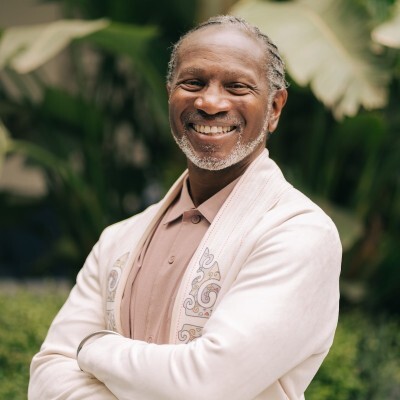
Dr. Joseph Croskey is an Associate Professor of Student Services at Pennsylvania Western University (PennWest) and a leader in student success, equity-focused programming, and inclusive leadership. He serves as Director of the Act 101 Program and the Advising Center, supporting students from under-resourced backgrounds as well as undecided and exploratory learners.
Previously, Dr. Croskey was the inaugural Executive Director of the Frederick Douglass Institute (FDI) within Pennsylvania’s State System of Higher Education, advancing inclusive campus communities and opportunities for historically underrepresented students and faculty. He continues to support FDI initiatives across PennWest campuses.
A former Army officer and West Point graduate, Dr. Croskey holds advanced degrees from George Washington University and Indiana University of Pennsylvania, where his research focused on mindfulness in higher education. He is also a certified instructor with the Search Inside Yourself Leadership Institute and has facilitated wellness programming with the United Nations Foundation. A frequent keynote speaker, his work centers on belonging, leadership, and human flourishing in education and beyond.
WORKSHOPS 10 AM-3:30 PM EDT
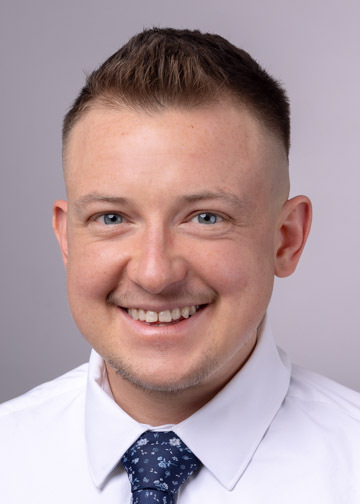
Supporting Trans and Gender Non-Conforming Youth and Young Adults in Uncertain Times
Supporting trans and gender non-conforming (TGNC) youth and young adults can be particularly challenging in an uncertain climate. In this session, we will first examine the theories associated with gender identity development, specifically among youth and young adults. We will address the physical and mental health needs of TGNC individuals and potential barriers to care. We will identify current anti-LGBTQIA+ legislation and political challenges in the U.S. among this population. Lastly, we will discuss strategies for support, advocacy, and allyship for parents, teachers, and those who interact with TGNC youth and young adults. The presentation will conclude with a Q&A session and additional resources will be provided.
Lee A. Golembiewski, PhD earned a Bachelor of Science in Applied Psychology from Edinboro University before going on to earn a Master of Science in Applied Developmental Psychology at the University of Pittsburgh. He then went on to Old Dominion University where he achieved his PhD in Health Psychology. Dr. Golembiewski is an Assistant Professor of Psychology at SUNY Fredonia.
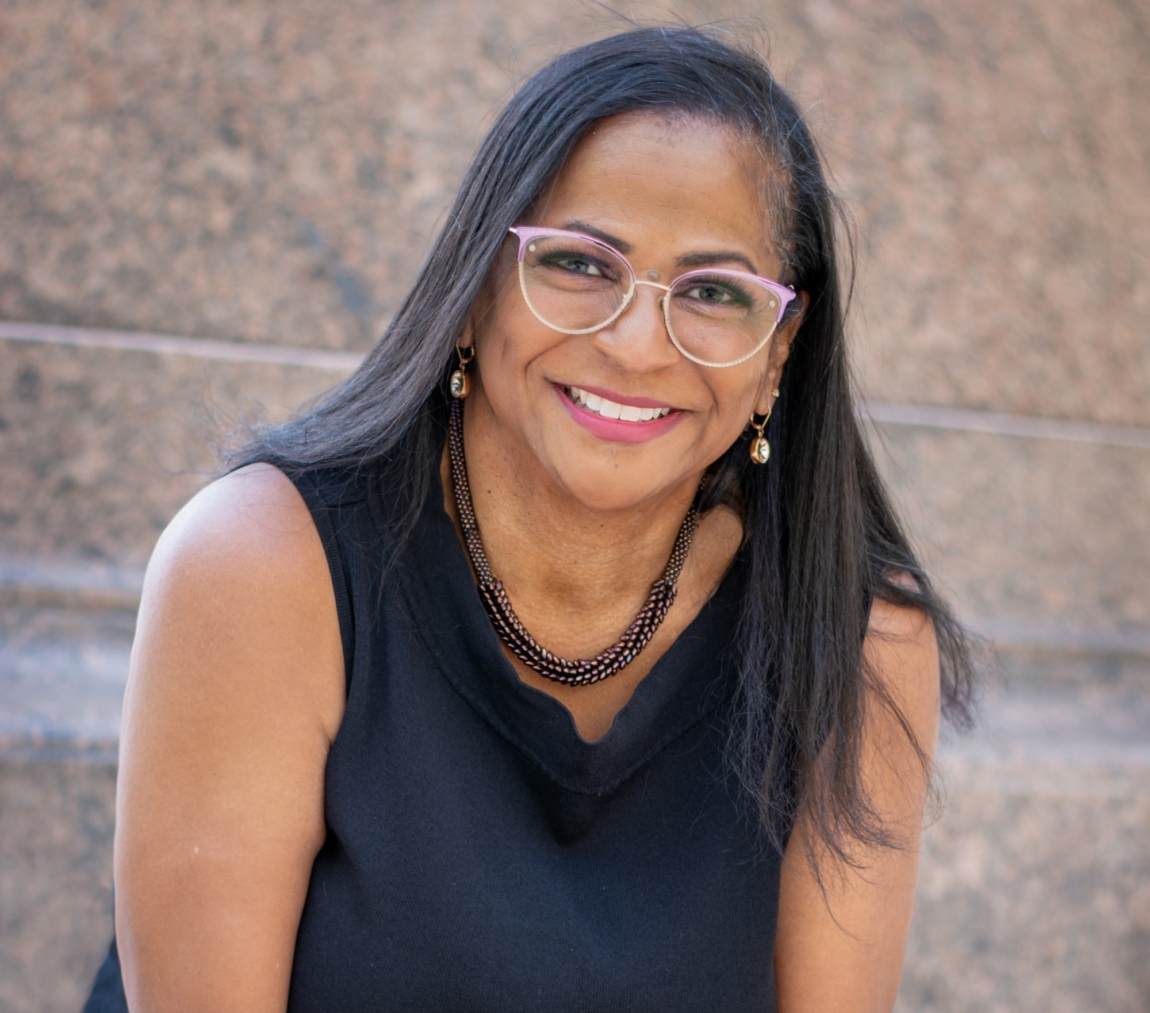
Me, Myself, and I: Exploring Intersectionality and Trauma-Informed Practice
Marginalization is the experience of being treated as less valued than others because of one’s identity. Someone might experience marginalization on the basis of their gender, their race, their socioeconomic status, their physical/mental ability, etc. Being a part of a community with others that share an identity with us can be a protective factor against the trauma of institutionalized oppression. However, even within the relative safety of that community, we can experience the harm of marginalization because of other identities that we hold. For example, a person of color who is also LGBTQIA+ may not be able to find full safety or belonging in either of those communities. Intersectionality, a term created by UCLA and Columbia University professor Kimberle Crenshaw, refers to when someone holds multiple marginalized identities. The interplay between these identities can leave people feeling isolated or targeted and can have devastating consequences. In this workshop, we will explore the concept of intersectionality and discuss how trauma-informed approaches can help to mitigate the impact of overlapping systems of oppression. Creating communities where each person can thrive as their whole, authentic selves benefits us all.
Jaye Holly, MS is the Director of Diversity, Equity, Inclusion and Belonging for Together for Youth. Jaye has been delivering training for more than 20 years on a wide array of topics, including Trauma-Informed Care and Diversity, Equity and Inclusion. Her career includes working in an eclectic mix of settings, from non-profit to academia to government. In 2010, Jaye began leading the implementation of the Sanctuary® Model in programs across New York State. Following that, she worked across the country and around the world to help build trauma-informed communities as a faculty member at the Sanctuary Institute. Developing trauma-informed, DEIB-focused communities is her passion. She has an M.S. in Human Resources Development from McDaniel College and a Certificate in Diversity & Inclusion from Cornell University. She currently resides in Delmar, NY with her wife and their dog, Oscar.
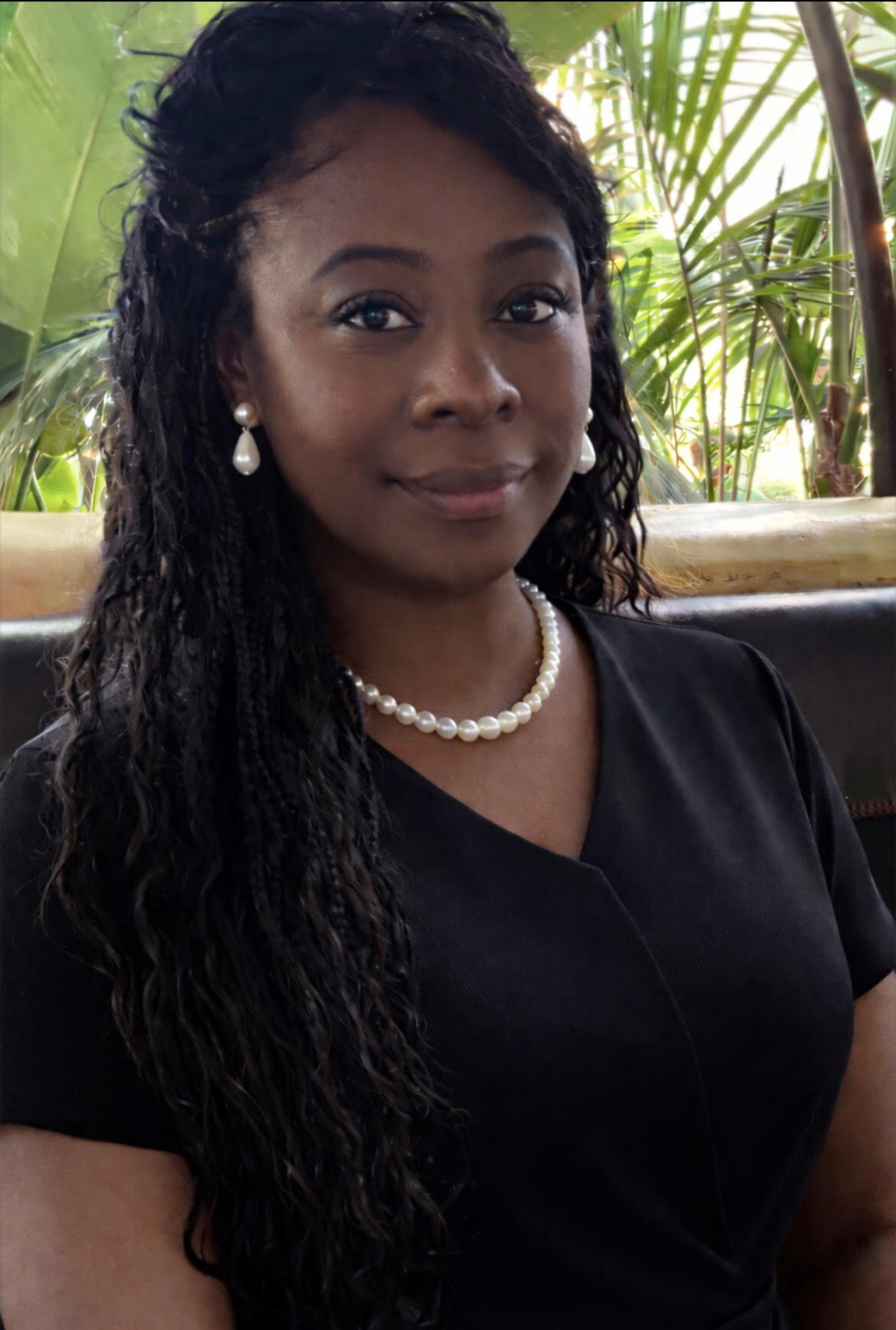
Beyond ACEs to PCEs: Promoting Equitable Access to Positive Childhood Experiences
This interactive workshop introduces the Positive Childhood Experiences (PCEs) framework as a strengths-based, trauma-informed approach to supporting children and families. Participants will explore recent research findings demonstrating the powerful relationship between PCEs and child flourishing, as well as disparities in access to these experiences across communities. Through discussion and practical activities, attendees will learn strategies to promote resilience, support equitable access to protective experiences, and integrate PCE-informed practices into child-serving systems, schools, healthcare, and community settings.
Christine Crowell, MA, NCC, LPC, is a doctoral candidate in Clinical Psychology with an emphasis in Health Psychology. Her professional background includes integrated behavioral health, community mental health, psychological assessment, and systems-level behavioral health implementation. She previously served as a Research Navigator with the University of Pittsburgh’s Implementation and Research Center for Healthy Communities, where she contributed to statewide initiatives and implementation efforts across Pennsylvania.
Her practicum training includes the LECOM Achievement Center Testing Clinic, Counseling and Assessment Services in community mental health, and neuropsychology training at Northshore Psychological Associates/UPMC Hamot. She is also currently training with Sarah Reed Outpatient in collaboration with BirthRoot Doulas initiatives, supporting perinatal mental health and community-based care. Christine’s scholarly work focuses on health disparities, resilience, and social drivers of health. She is the first author of a recent publication in the APA research journal Families, Systems, & Health, examining positive childhood experiences (PCEs), flourishing, and sociodemographic disparities among children using a nationally representative sample. Her broader research interests center on promoting equitable access to protective factors and improving well-being outcomes for underserved populations. Christine is a longtime friend of Sarah Reed Children's Center and a former employee.
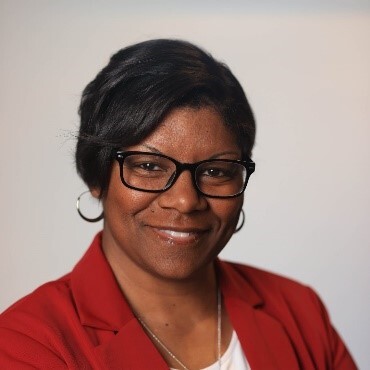
Establishing an Effective EDI/DEI Committee
EDI/DEI committees withstand criticism and become credible drivers of organizational effectiveness rather than symbolic gestures when they are purpose-driven, executive-sponsored, focused on systems and outcomes, and accountable, measurable and adaptive.
This session will highlight best practices for professionalizing EDI/DEI, treating it as disciplined change management, grounded in data, aligned with business outcomes and sustained through trust-building and engagement rather than slogans or symbolic action. Participants will gain a better understanding about establishing an effective and engaging EDI/DEI committee.
Learners will: 1. Understand a multi-layered approach to embed EDI/DEI; 2. Learn the stages of the EDI/DEI journey; 3. Learn best practices that reduce opposition; and 4. Understand the components of an effective committee.
Robena Spangler, MS, Senior Director of Leadership & Organizational Development for Social Current is an innovative executive with over 30 years of experience in behavioral health, human services, and advancing equity and inclusion work. A majority of her career has been dedicated to systems improvement within the child welfare and juvenile justice systems. Ms. Spangler held several leadership roles in the public and private sectors. She has provided professional coaching and leadership development for teams and individuals on a national level. Her current role, as an EDI and Leadership strategist, is to design and manage all aspects of Social Current’s leadership and organizational development portfolio to include oversight and direction of the Executive Leadership Institute in partnership with Loyola University Chicago. Ms. Spangler holds a bachelor’s in Sociology and Human Services along with a master’s in leadership and professional Advancement.
Ms. Spangler is a qualified administrator of the Intercultural Development Inventory® (IDI®).
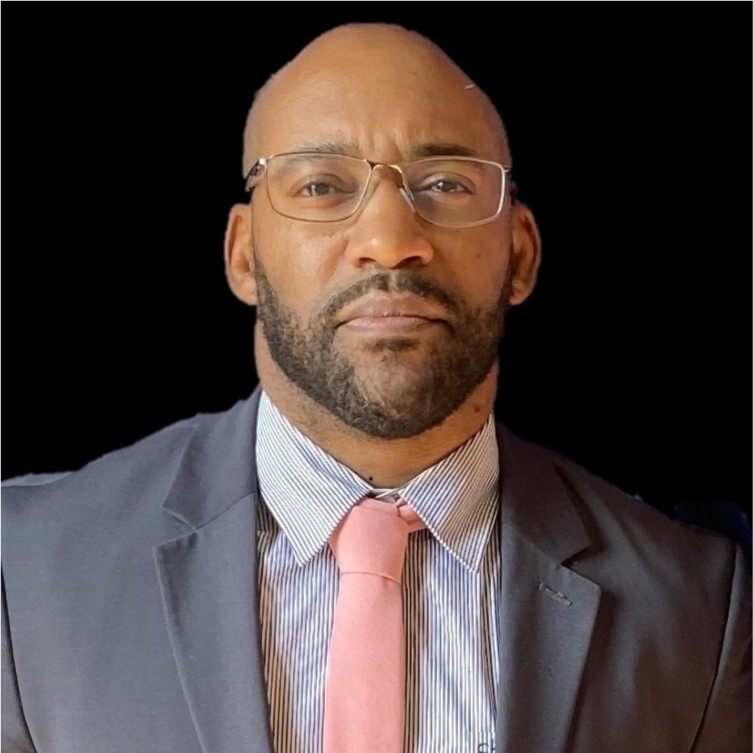
Seeing Through Our Own Lenses: Self Awareness, Bias, and Culturally Competent Care
This interactive workshop invites participants to explore how personal values, experiences, and identities shape the way we perceive and engage with others. Grounded in real-world human services practice, this session focuses on increasing awareness of both implicit and explicit bias and its direct impact on decision-making, workplace dynamics, and client outcomes.
Participants will engage in guided self-reflection, small group discussion, and applied case scenarios to better understand how bias can influence interactions with colleagues, policies, and the individuals and families we serve. Through practical tools and structured activities, attendees will learn how to recognize bias in the moment, pause and reflect, and respond with cultural humility rather than assumption.
The training emphasizes creating equitable, inclusive environments by aligning everyday practice with ethical standards and culturally responsive care. Participants will leave with actionable strategies to strengthen self-awareness, enhance professional accountability, and develop a personalized Bias Awareness Plan that supports ongoing growth.
Leroy Oglesby, III M.Ed. is a Special Education Teacher with decades of experience working in children's mental health, designing trauma-informed and culturally competent programs that promote youth development, staff training, and community impact. His work focuses on bridging gaps between the education, mental health, and community-based programs.
Using the Sanctuary-Trauma Model to Advance Diversity Initiatives
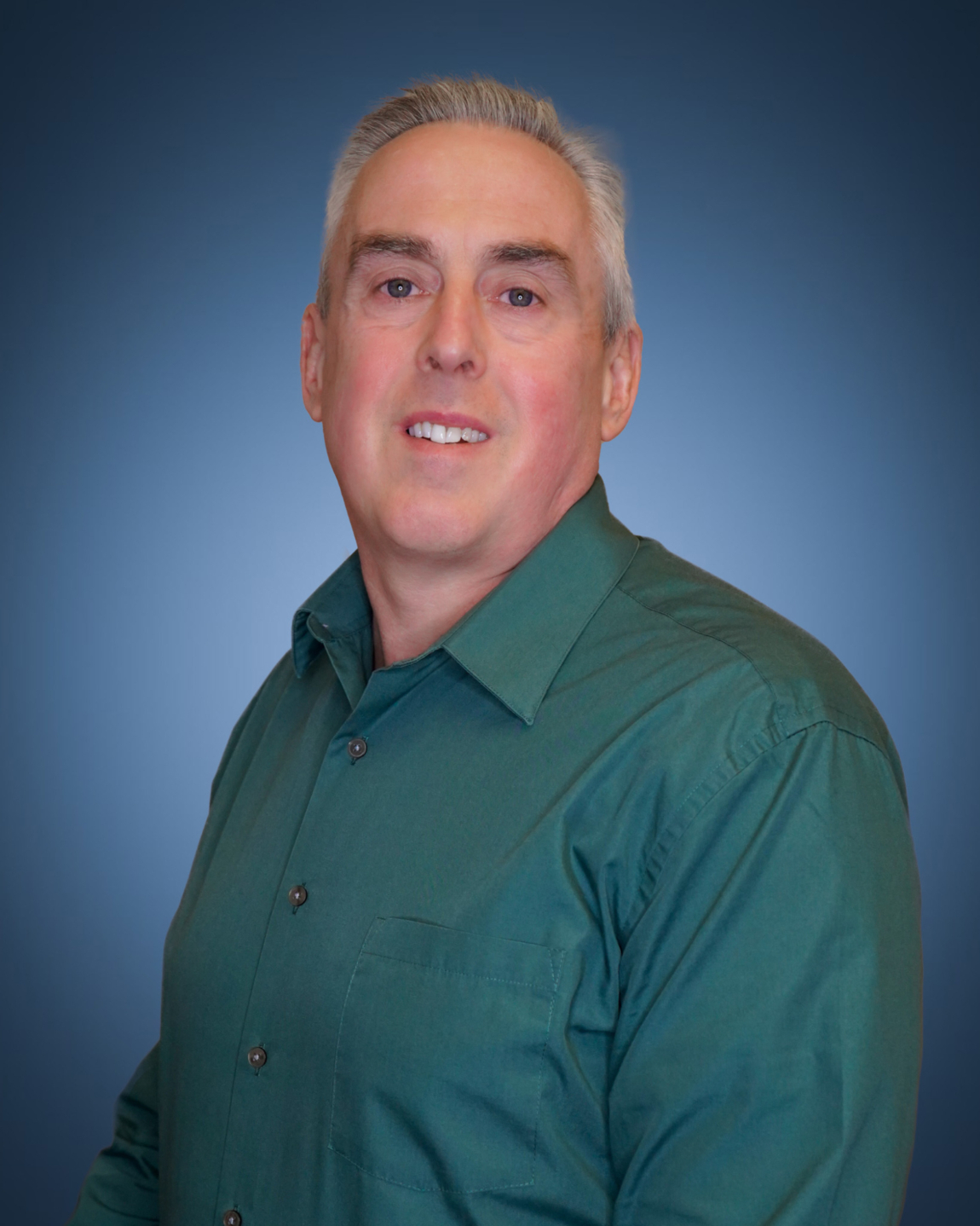
This interactive workshop explores how the Sanctuary Model® can serve as a powerful, trauma-informed framework for advancing diversity, equity, and inclusion (DEI) within organizational culture. Rooted in shared values known as the Seven Commitments—nonviolence, emotional intelligence, social learning, shared governance, open communication, social responsibility, and growth and change—the Sanctuary Model emphasizes creating safe, inclusive environments where all individuals feel valued, respected, and empowered.
Participants will examine how organizational culture, bias, and systemic practices influence equity and belonging in the workplace. Through guided reflection, group dialogue, and applied scenarios, attendees will learn how to intentionally integrate Sanctuary principles into diversity initiatives, policy development, staff engagement, and leadership practices. The session highlights how trauma-informed approaches can strengthen inclusion efforts by addressing the impact of adversity, promoting psychological safety, and fostering authentic connection across differences.
This workshop is designed to move beyond compliance-based diversity efforts and toward sustainable cultural change. Participants will gain practical tools to align DEI strategies with Sanctuary values, ensuring that initiatives are not only well-intentioned but embedded in daily practice, decision-making, and organizational systems
Larry Shallenberger is the Associate Vice President of Compliance at Sarah Reed Children's Center. He is a cultural competency presenter and active in the agency's diversity efforts.
3:30 PM-4:15 PM EDT Closing Keynote: Dr. Beverley Samways
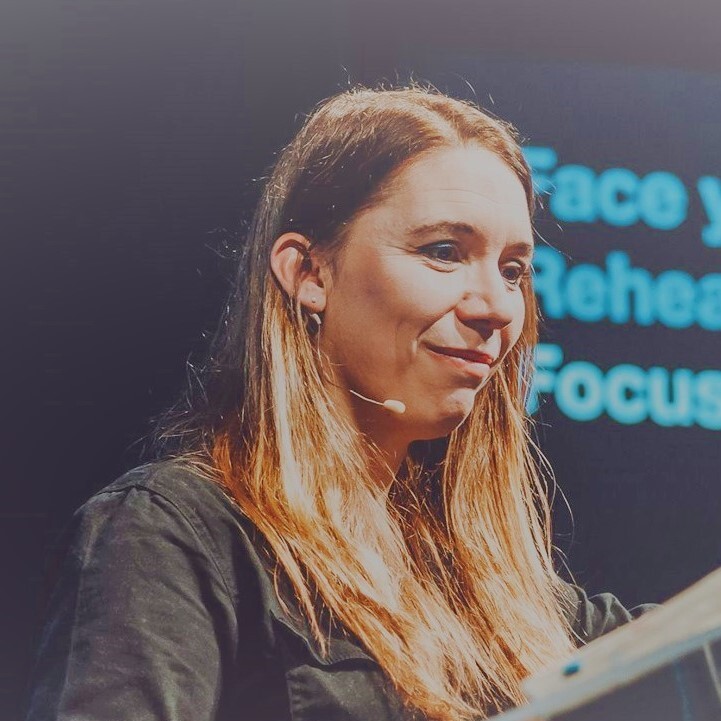
Beverley Samways, Ph.D. is a self-injury specialist, consultant, researcher, trauma-informed care specialist, and culture change agent. She is the founder and director of Unique Connections in Bristol, England, an organization dedicated to transforming the lives of people with learning disabilities and autism and the organizations supporting them. Dr. Samways is also a research collaborator at the University of Bristol. Her work combines nueroscience, trauma recovery, and psychoanalytic observation. She has shared her insights through platforms such as TEDxMosely and has appeared on BBC Sunday Morning Live to discusss the impact of trauma on women with learning disabilities. Her relational approach emphasizes seeing the "emotional person" behind behaviors and moving away from pure behavioral management toward building safety and trust.
Thank you to our sponsors!